You can get your gums healthy again by improving your daily oral hygiene, dealing with plaque and tartar properly, and getting professional treatment if your gums are inflamed, bleeding or showing signs of gum disease. The good news is that healthier gums are often achievable, particularly when problems are picked up early, but ignoring bleeding or swelling and hoping it will disappear is rarely the best approach.
Gum problems are incredibly common. Around 45% of adults in the UK are estimated to have some form of gum disease, so if your gums bleed when you brush, look red or swollen, or have started to feel different, you certainly are not alone.
What Do Healthy Gums Actually Look Like?
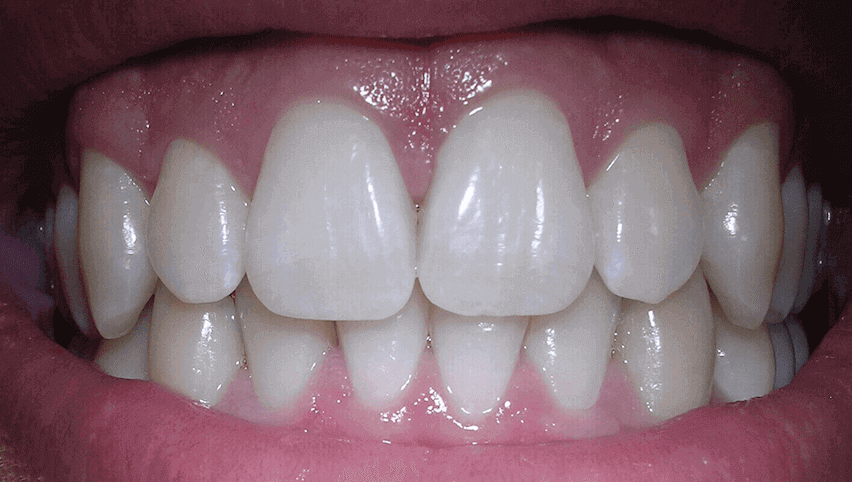
Healthy gums should generally feel firm and sit closely around your teeth. They should not regularly bleed when you brush or clean between your teeth, and you should not have persistent swelling, tenderness or soreness.
Colour can vary naturally from person to person, so perfectly healthy gums are not necessarily exactly the same shade of pink. It is more useful to look for changes in your own gums and pay attention to symptoms such as bleeding, puffiness, recession or persistent bad breath.
One important point is that healthy gums are not simply about having clean looking teeth. Your gums and the bone beneath them play an essential role in keeping your teeth firmly supported.

Healthy gums should generally feel firm and sit closely around your teeth.
Why Are My Gums Bleeding?
Bleeding is often one of the first signs that something is not quite right. It can happen when plaque builds up around the gum line, irritating the tissues and causing inflammation.
This early stage is known as gingivitis. Unlike more advanced periodontal disease, gingivitis can often be reversed when the source of the inflammation is addressed and good oral care becomes part of your everyday routine.
That does not mean you should stop brushing an area because it bleeds. In fact, avoiding it can allow plaque to remain around the gums and make the problem worse. Gentle and thorough cleaning is important, although persistent bleeding should always be checked by a dental professional.
How Can You Improve Your Gum Health At Home?
Start with the basics and make them consistent. Brush your teeth twice a day using a fluoride toothpaste, taking care around the gum line rather than rushing through the parts of your mouth that are harder to reach.
Cleaning between your teeth matters too. Floss, interdental brushes or another suitable method can remove plaque from places your toothbrush cannot reach. The right choice depends on the size of the spaces between your teeth, so your hygienist can help you find an approach that works for you.
Your lifestyle can also make a difference. A balanced diet, keeping sugary foods and drinks in check, avoiding tobacco and looking after your general health can all support healthier gums.
When Do You Need Professional Gum Treatment?
If your gums continue to bleed despite good home care or you have noticed recession, loose teeth, persistent bad breath or changes around the gum line, it is worth arranging an assessment.
A periodontist can look beyond what you can see in the mirror. An examination can assess the gums, periodontal pockets and supporting bone, with imaging used where necessary to understand the full picture.
This matters because gum disease can progress from inflammation of the gums to periodontitis. At this stage, pockets can form around the teeth and the infection can start affecting the bone and tissues that hold them in place. Severe periodontal disease affects around 19% of people aged 15 years old and over worldwide, according to the World Health Organization, representing more than 1 billion cases.
Can A Deep Clean Make Your Gums Healthy Again?
Sometimes, yes. If plaque and hardened calculus have built up below the gum line, brushing at home cannot remove everything.
Professional periodontal treatment can remove bacteria, plaque and calculus from around the teeth and beneath the gums. At The Perio Centre, treatment may include root surface debridement, also known as non-surgical periodontal therapy, depending on what the assessment finds.
More advanced treatment is sometimes needed when gum disease has caused deeper pockets, recession or damage to the supporting tissues. The important thing is that treatment should be based on your individual condition rather than assuming everyone needs the same procedure.

Professional periodontal treatment can remove bacteria, plaque and calculus from around the teeth and beneath the gums.
How Do You Keep Your Gums Healthy Afterwards?
Getting your gums back to a healthier state is only part of the process. The next step is keeping them that way.
Continue with careful brushing and interdental cleaning at home, attend recommended dental and hygiene appointments, and follow any maintenance plan provided by your dental professional. Gum disease can be managed, but people who have experienced periodontal problems may need ongoing monitoring to keep inflammation under control.
How Can The Perio Centre Help With Healthy Gums?
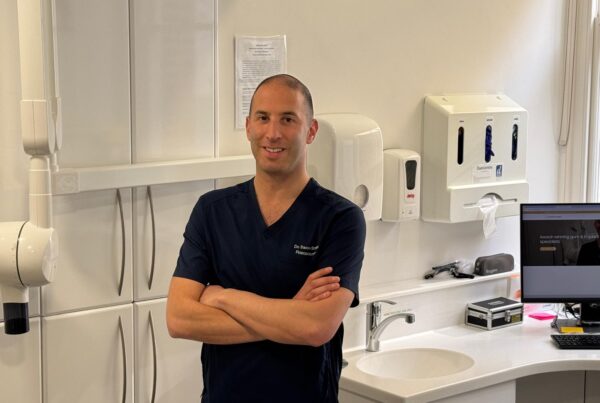
If you are worried about bleeding gums, gum disease or changes in your gum line, The Perio Centre can assess what is happening and recommend treatment based on your individual needs. Based on Harley Street in London, our practice provides specialist periodontal care with Dr Simon Stern, a registered Specialist Periodontist and Implant Specialist, alongside our dedicated oral hygiene team.
From professional hygiene and periodontal treatment to more advanced procedures where required, The Perio Centre can help you understand what is affecting your gums and what can be done to improve and maintain their health!

Dr Simon Stern is a registered Specialist Periodontist at The Perio Centre. His qualifications include BDS MJDF RCS (Eng) MClinDent MPerio RCS (Ed). He lectures at both national and international conferences, and has published papers in several well-respected journals.