The quickest way to get your gums healthy is to remove plaque properly every day, clean between your teeth and get professional help if you have signs of gum disease. It might sound simple, but a few changes to your daily routine can make a real difference, sometimes within a couple of weeks.
At The Perio Centre, we often see patients who have been putting up with bleeding gums for months, assuming it is normal or something that will eventually go away. It is not something you should ignore. Healthy gums should not regularly bleed when you brush or eat and it is usually your body’s way of telling you that something needs attention!
Start With Your Brushing Routine
One of the first things we would look at is how you are brushing your teeth. Brushing harder does not mean brushing better. In fact, using too much pressure can irritate your gums and contribute to gum recession.
Use a soft-bristled toothbrush, ideally an electric one, and spend two minutes brushing twice a day with fluoride toothpaste. Take your time around the gum line, as this is where plaque tends to collect.
It is also worth replacing your toothbrush or electric brush head regularly, particularly when the bristles start looking worn.

Use a soft-bristled toothbrush, ideally an electric one, and spend two minutes brushing twice a day with fluoride toothpaste.
Don’t Forget The Spaces Between Your Teeth
This is something we really cannot stress enough. You can brush twice a day and still leave plenty of plaque behind if you are not cleaning between your teeth.
Interdental brushes are particularly effective for removing food and plaque from these areas. They come in different sizes, so it is important to find ones that fit comfortably. Floss is another option where the spaces are too tight for a brush.
If your gums bleed when you first start cleaning between your teeth, don’t automatically stop. Inflammation can cause bleeding, and consistent, careful and gentle cleaning often helps. However, if the bleeding continues, arrange a dental assessment rather than assuming it is nothing.
Look At Your Everyday Habits
Your gums are affected by more than just your toothbrush. Smoking, for example, is one of the biggest risk factors for gum disease. It can also hide some of the warning signs, meaning problems are not always as obvious as they might be in non-smokers.
Your diet matters too. Eating a balanced diet, limiting sugary snacks and drinking plenty of water all help support good oral health. None of these changes will replace proper dental care, but they are useful habits to build into your day.
How Quickly Can Your Gums Improve?
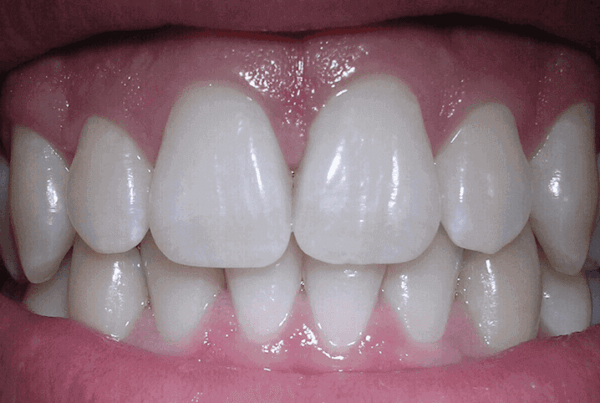
This depends on what is causing the problem and how advanced it is. If you are dealing with mild gingivitis, improving your brushing and interdental cleaning can lead to noticeable improvements within a couple of weeks.
However, if plaque has hardened into tartar, you won’t be able to remove it yourself. It needs professional cleaning. More advanced gum disease, known as periodontitis, is a different matter altogether and may require specialist treatment to prevent further damage.
It is also much more common than people think. UK Adult Oral Health Survey figures show that 27% of adults with natural teeth reported bleeding gums in 2021. The 2023 clinical survey also found that 93% of adults examined had at least one indicator associated with periodontal conditions.
These figures are a good reminder that gum health shouldn’t be an afterthought.

If you are dealing with mild gingivitis, improving your brushing and interdental cleaning can lead to noticeable improvements within a couple of weeks.
When Should You Get Professional Help?
Bleeding, swollen or tender gums are all reasons to book an appointment, particularly if the symptoms keep returning. Other signs to look out for include persistent bad breath, gums pulling away from your teeth, loose teeth or changes in how your teeth fit together when you bite.
One thing we always advise is not to wait until something hurts. Gum disease can progress without causing much discomfort, so you might not realise there is a problem until it has become more serious.
How Can The Perio Centre Help?
At The Perio Centre, we specialise in looking after gums and treating periodontal disease. We appreciate that being told you have gum disease can be unsettling, but the important thing is understanding what’s happening and knowing that there are treatments available.
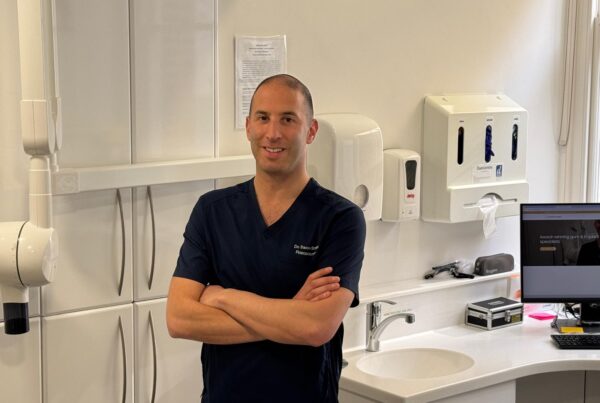
Under the care of Dr Simon Stern, specialist periodontist and implant specialist, patients can receive an assessment and treatment plan based on their individual needs. Depending on the condition of your gums, this might involve professional hygiene treatment, non-surgical periodontal therapy or more advanced specialist procedures. Our team can also help you understand exactly how to look after your gums between appointments, because what you do at home is just as important as the treatment you receive in the practice.

Dr Simon Stern is a registered Specialist Periodontist at The Perio Centre. His qualifications include BDS MJDF RCS (Eng) MClinDent MPerio RCS (Ed). He lectures at both national and international conferences, and has published papers in several well-respected journals.