A periodontist treats receding gums by finding out why the gum tissue is pulling away from the teeth and working out how best to protect the affected areas. This might mean treating existing gum disease, monitoring the recession or carrying out gum grafting surgery to cover exposed roots.
Have you noticed that your teeth look longer than they used to? Or perhaps you have started feeling a sharp twinge when drinking something cold? Both can be signs of receding gums! It is quite common for people to put these changes down to age, but there can be several reasons behind them.
What Causes Receding Gums?
Gums can recede for different reasons and sometimes more than one factor is involved. Gum disease is a common cause, particularly when inflammation has started damaging the tissue and bone that hold the teeth in place.
Brushing too firmly is another possibility. Over time, putting too much pressure on your gums can cause the tissue to wear away. Some people are also more susceptible because they naturally have thinner gums. Other contributing factors include teeth grinding, misaligned teeth and a history of periodontal problems.
Finding out what has caused the recession is the starting point for treatment. A periodontist will look at the condition of your gums as a whole, rather than just the areas where the roots are showing.
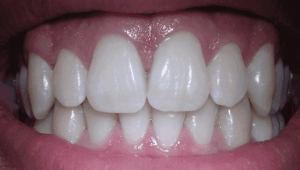
Gums can recede for different reasons and sometimes more than one factor is involved.
How Can A Periodontist Help?
A periodontist specialises in gum health, including conditions that affect the tissues and bone supporting your teeth. They can assess the extent of the recession, check for signs of periodontal disease and explain which treatments are likely to help.
For some patients, getting existing gum disease under control is the priority. Others may benefit from a procedure to improve the amount of gum tissue covering the teeth.
One treatment that may be recommended is gum grafting. This involves taking a small piece of tissue, usually from the roof of the mouth, and carefully placing it over an area where the gum has receded. It can help cover exposed roots, reduce sensitivity and improve the appearance of the gum line.
If gum disease is present, your periodontist may also recommend deep cleaning. This removes bacteria and hardened deposits from beneath the gum line, helping to reduce inflammation and prevent further damage.
Can Receding Gums Grow Back?
Unfortunately, once gum tissue has been lost, it does not normally grow back naturally. You can improve your gum health through good oral hygiene and professional treatment, but this won’t replace the tissue that has already receded.
Gum grafting offers a way to address some areas of recession, although the results depend on the amount of existing tissue and the condition of the affected teeth. Your periodontist can explain what is achievable following an examination.
When Should You Get Receding Gums Checked?
You don’t need to wait until your gums have receded significantly before seeking advice. In fact, the earlier the cause is identified, the better the opportunity to prevent things from getting worse.
Look out for teeth that appear longer, visible tooth roots, increased sensitivity or gums that bleed when brushing. Even if there is no discomfort, a change in the appearance of your gum line is worth investigating.
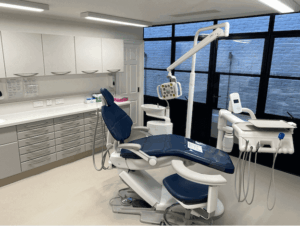
You don’t need to wait until your gums have receded significantly before seeking advice.
How Can Dr Simon Stern At The Perio Centre Help?
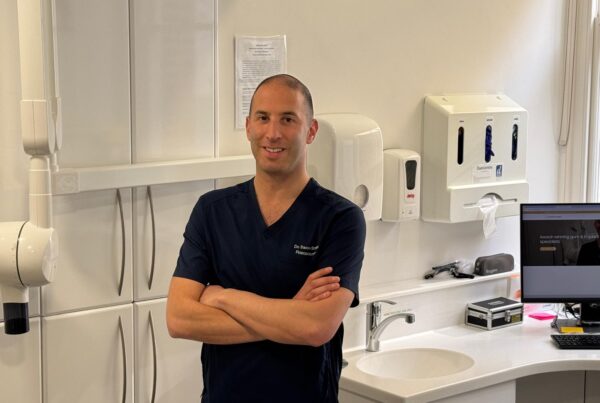
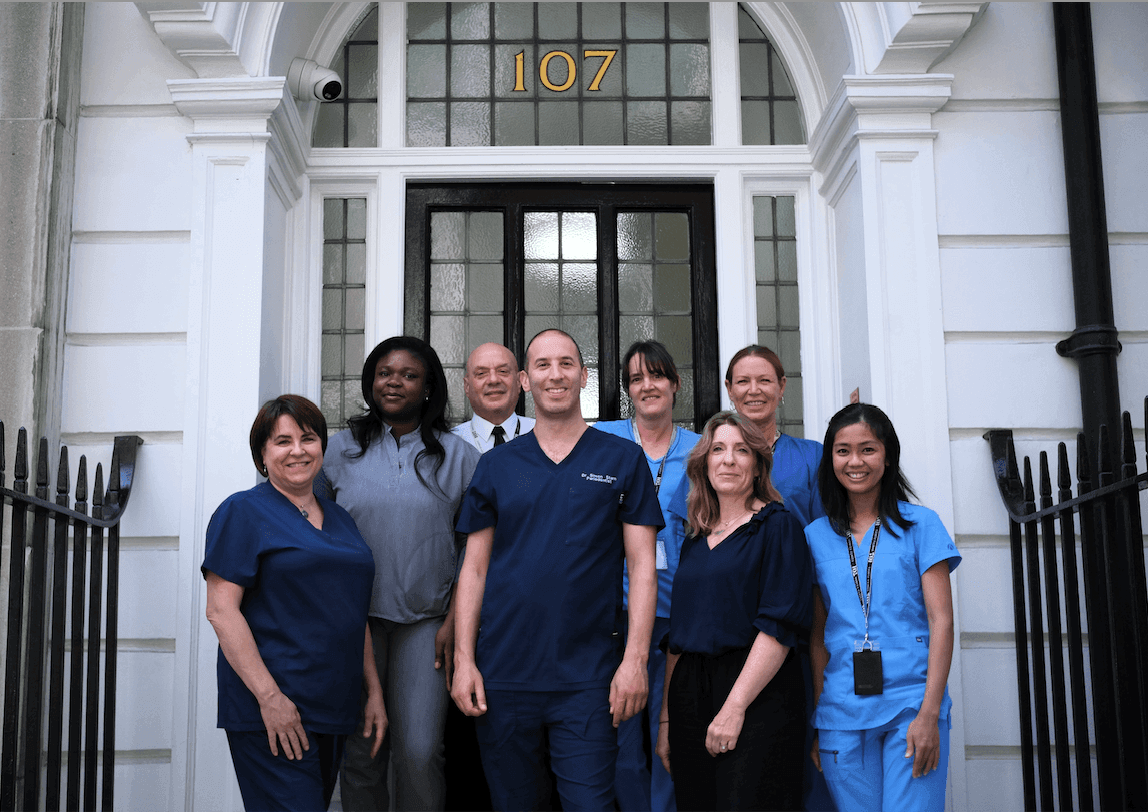
At The Perio Centre in Harley Street, Dr Simon Stern provides specialist care for patients experiencing gum recession and other periodontal problems. Following an examination, Dr Stern can explain why your gums are receding and talk you through the treatments available.
Whether you need help managing gum disease or are considering gum grafting, the focus is on protecting your natural teeth and keeping your gums as healthy as possible. If you are concerned about changes to your gums, contact The Perio Centre on 0208 106 8020 to arrange an appointment or book online today!

Dr Simon Stern is a registered Specialist Periodontist at The Perio Centre. His qualifications include BDS MJDF RCS (Eng) MClinDent MPerio RCS (Ed). He lectures at both national and international conferences, and has published papers in several well-respected journals.